

Have you ever followed a recipe to the letter, used fresh ingredients, and still wondered why the dish didn't taste quite as good as you expected? We tend to focus on the obvious suspects, from the quality of our produce to the seasoning, cooking temperature and even the pan we're using. But we often overlook one ingredient, even though it shows up in nearly everything we make: water.
Think about how often water shows up in your daily cooking. You use it to rinse vegetables, boil pasta, cook rice, prepare soups, blend smoothies and brew your morning tea or coffee. Because water touches so much of our food, it makes sense to ask whether the kind we use could make a difference, but most people stop at whether it’s “safe” to drink.
Research suggests that water quality, mineral content and pH can influence the taste, texture and appearance of certain foods. That's one reason ionized Kangen Water for cooking has attracted attention from people looking for new ways to improve their everyday kitchen routines.
Let's take a closer look at what happens when water becomes more than just another ingredient.
Quality water as an integral ingredient
It's easy to think of water as a neutral backdrop for cooking, something we add when a recipe calls for it and don't think much about otherwise. In reality, drinking water contains varying amounts of minerals, dissolved gases and other compounds that can influence how it tastes and interacts with food.
In this scientific review published in the journal Food Research International, researchers found that minerals and other substances in water can influence flavor and aroma, sometimes making food more appealing.
If you've ever tasted a difference when you use water from another source, you already know it firsthand. The same idea can apply to cooking, especially when water makes up a significant portion of the recipe.

Alkaline water’s effects on cooking
In technical terms, Kangen Water is produced with an Enagic water ionizer that uses electrolysis to create water with different pH levels. The alkaline drinking water commonly associated with Kangen has a pH above neutral, though the exact level depends on the setting.
Why might that matter in the kitchen? Because pH, which measures how acidic or alkaline a substance is, can affect the chemical reactions that take place during cooking.
Vegetables offer a particularly interesting example. Their natural pigments, cell-wall structure and certain flavor compounds respond to changes in acidity and alkalinity. That's why adding a little baking soda to a pot of water can make green vegetables look brighter and soften much faster. (I encourage you to try this today if you haven’t!)
Here’s proof of benefits beyond what your taste buds tell you: A 2025 study published in LWT explored how acidic, neutral and alkaline mineral waters affected broccoli and green beans during cooking. The researchers found that broccoli cooked in alkaline water retained more minerals and green pigment, and the cooked vegetables received higher sensory scores for color, texture and flavor.
While the study didn’t directly compare Kangen Water to ordinary tap water, it shows that cooking water chemistry can influence the finished dish, even when the vegetables themselves remain the same. The goal isn't to assume alkaline water automatically makes every vegetable better. It's to understand that water chemistry can influence the outcome and give yourself another variable to explore.
Kangen's Greener Food resource introduces more ways to incorporate Kangen Water into everyday food preparation, from cleaning produce to preparing rice, soups, sauces and smoothies. Give it a try!
What about starches and caffeine?
Vegetables aren't the only foods worth considering here.
Rice absorbs water as it cooks, so the water's composition can influence the finished grain's texture and taste. Pasta also releases starch into its cooking water, while water minerals can affect the preparation of some other starch-based foods.
Soups and broths are another interesting example because water is such a large part of the finished dish. In a study examining different cooking waters and mutton soup, researchers found measurable differences in flavor compounds and sensory characteristics depending on the water used. Coffee and tea are worth considering, too. Because hot water extracts flavor compounds from leaves or grounds, its mineral content and chemistry can influence the final drink's taste.
These examples remind us that the water we use isn't always interchangeable in every recipe. The effects can be subtle or noticeable, depending on the food, the water and how we prepare it.
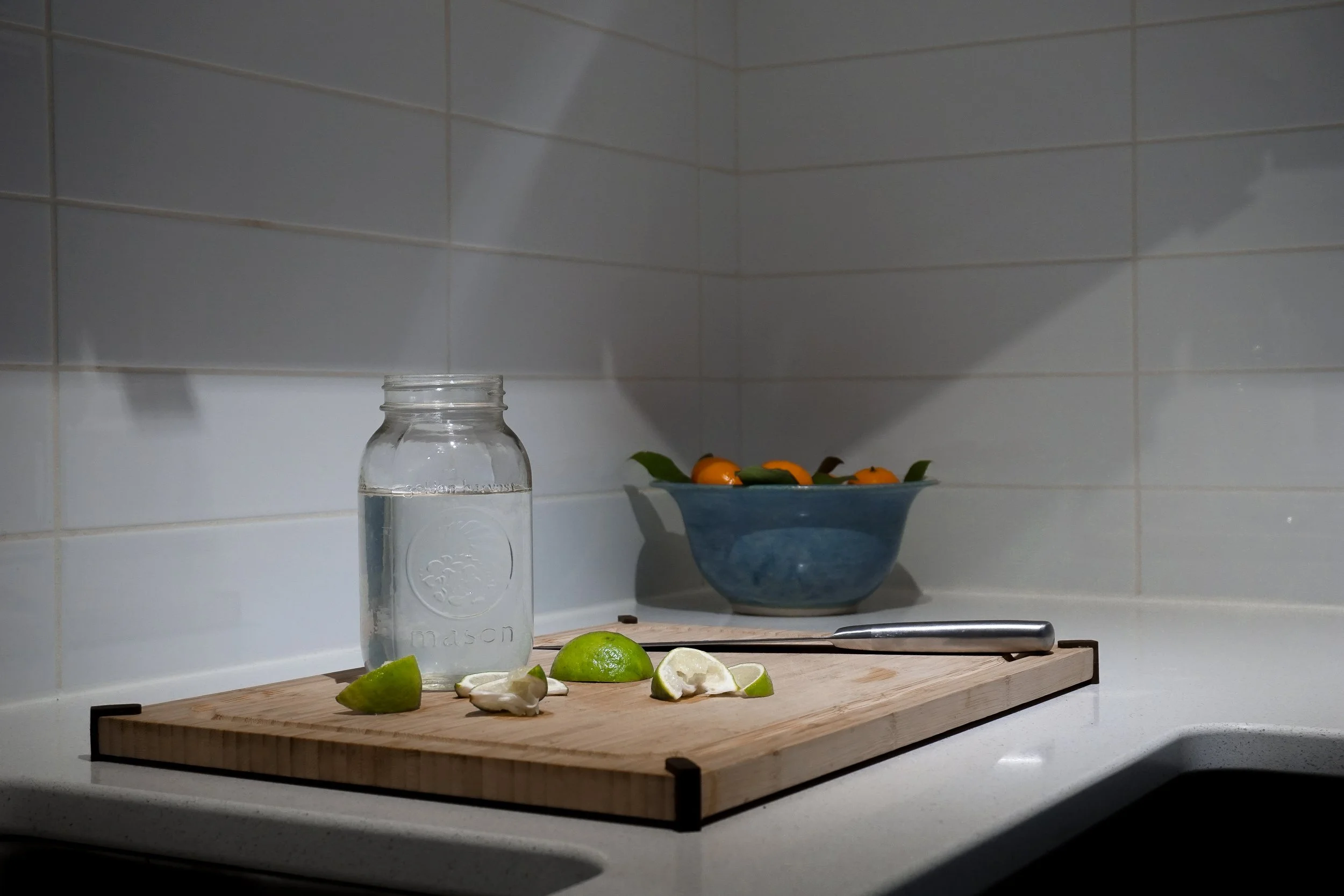
A greener kitchen starts with everyday choices
By paying closer attention to the ingredients and resources you already use, you can improve your entire kitchen routine.
Kangen's approach to greener food preparation encourages us to consider water throughout the kitchen, whether it’s for washing produce, making a morning smoothie or preparing dinner. A home water ionizer can greatly reduce reliance on individually packaged bottled water, especially if you use a reusable bottle and have safe, actually thirst-quenching drinking water at home.
Drinking to the benefits
The studies don’t lie: Water is one of the most-used ingredients in our kitchens, yet one of the easiest to take for granted.
Scientific research shows that differences in water chemistry can affect food preparation, from the appearance of green vegetables to the flavor of a slow-simmered plant-based soup broth. Kangen Water lets us explore those differences even further as part of a more intentional approach to cooking and everyday water use.
If you're curious about cooking with alkaline water, start with a meal you make regularly. Use the same recipe using your usual water and an alternative water source, keeping the ingredients, measurements and cooking times consistent. Pay attention to the flavor, texture and appearance, and see whether you notice a difference!
You might discover a new preference, or you might find that the cooking method matters more for a particular dish. Either way, you'll learn something about the food you prepare every day.