
How to reset your home in one hour with no overwhelm

It’s a catch-22: When you’re overwhelmed, resetting your home can feel like another task on an already full to-do list. At the same time, tension builds the longer your space is out of order. Maybe it’s not messy enough to demand a deep clean, but it’s no longer calm enough to ignore before it affects you psychologically. So much so that research on clutter shows that disorganized home environments are associated with higher stress and lower well-being, partly because visual disorder increases cognitive load and stress responses.
Most of the time, it’s not a major makeover you need to get back on track; it’s just one space hour to bring things back to a place that feels livable, so you can focus on other things that matter in a space that calms and grounds you.
Here’s a step-by-step on how to make that one hour count.
Starting without overthinking
The hardest part tends to be the beginning, especially when everything feels a little scattered. Instead of trying to map it out or decide the “best” place to start, just walk through your space once and notice what your eyes keep returning to. There’s usually a surface or a corner that’s pleading to be dealt with.
Start there, even if it doesn’t feel like the obvious place to hone in on.
Clearing what’s in the way
Before anything gets wiped or scrubbed, it helps to remove what’s sitting out of place. This is the part that changes a room's feel the fastest, and it’s often the part people skip.
You’re not organizing in a deep sense here. You’re just returning things to where they make more sense than where they’ve ended up. A glass goes back to the kitchen, shoes find their way to the door, and papers get stacked instead of scattered. It doesn’t need a system; it just needs a decision.
Once surfaces are clear, everything else becomes easier.
Letting the kitchen lead
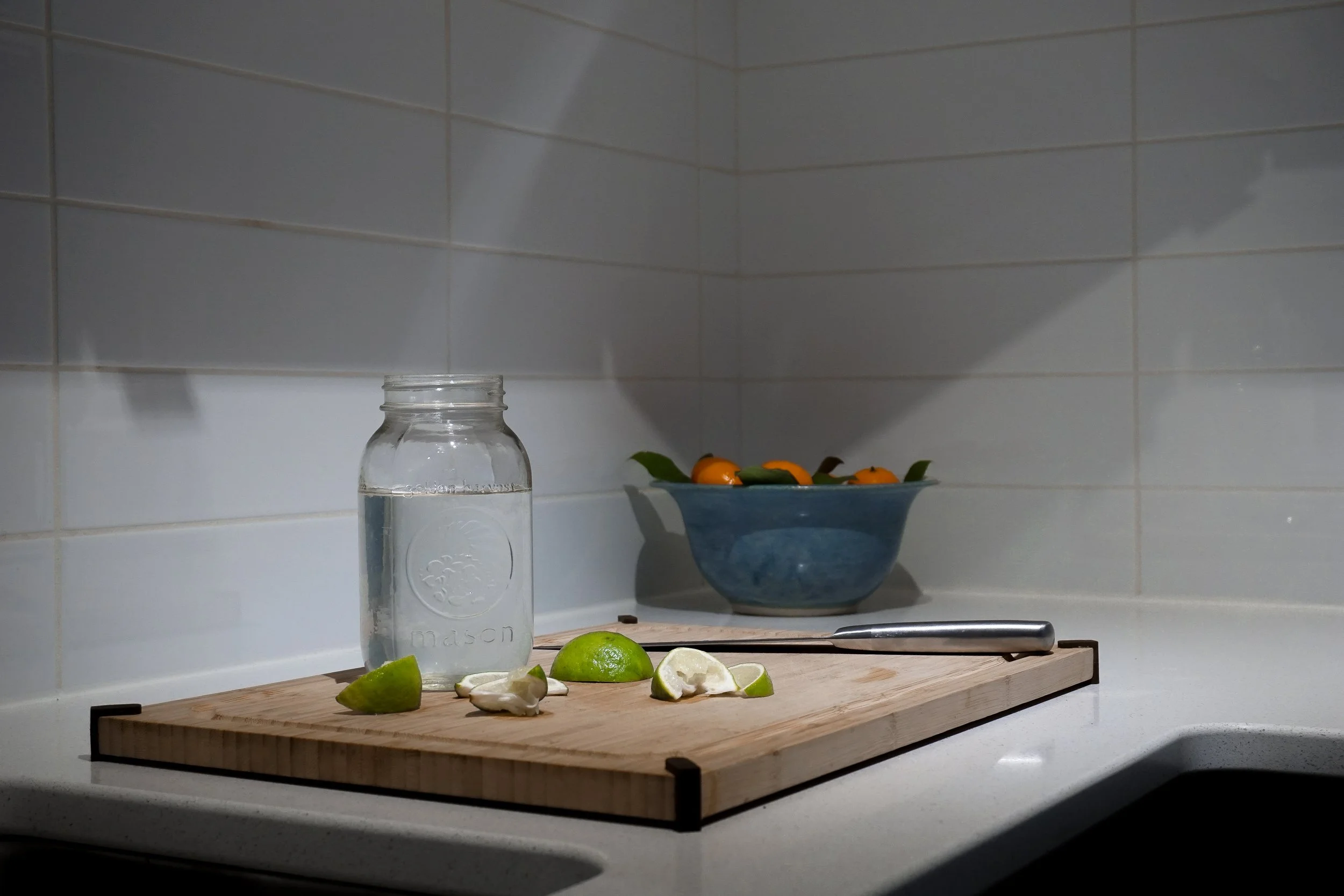
If there’s one area that has an outsized effect on the rest of the home, it’s the kitchen, since it’s a continuously used area. Mess accumulates faster, so even a small pile of dishes reads as an ongoing problem instead of background clutter.
You don’t need a full scrub down to care for this space. It’s more about bringing it back to neutral. It can be as simple as wiping down the counters once, taking out anything close to overflowing, and clearing the sink one dish at a time.
Don’t skip making your bed
An unmade bed can feel emotionally heavier than other messes because it’s strongly tied to rest, routine and mental regulation. It can signal a sense of chaos that clutter elsewhere doesn’t.
Some studies show that making the bed in the morning can provide structure and psychological comfort, while unmade sleeping spaces can elevate stress hormones like cortisol and interfere with relaxation and sleep quality.
If you’re short on time, just reset your pillows and fan out your comforter. That can often be done in less than 5 minutes.
Keeping laundry in its place
Laundry has a way of turning into a much bigger task than it needs to be because it’s a passive task that can go on for hours as you start and finish different cycles. During a one-hour reset, it helps to treat it as something you’re simply nudging forward.
That might look like starting a load, folding what’s already clean, or putting away a small pile that’s been sitting out. There’s no need to finish it all. The shift comes from doing something.
Small details change everything
Once the bigger pieces are in place, the smaller ones tend to stand out. And after the above tasks are handled, you’ll still have a few minutes to manage these.
Put cushions back where they belong, fold a lounge blanket instead of leaving it in a heap, and straighten one surface. None of it is essential, but together it changes the tone of the room.
At some point, it helps to open a window or a door, even if only for a few minutes. Fresh air resets a room quickly. If it’s evening, use your lamps instead of overhead lighting to make everything illuminated seem softer and more settled.
Let go of chemicals
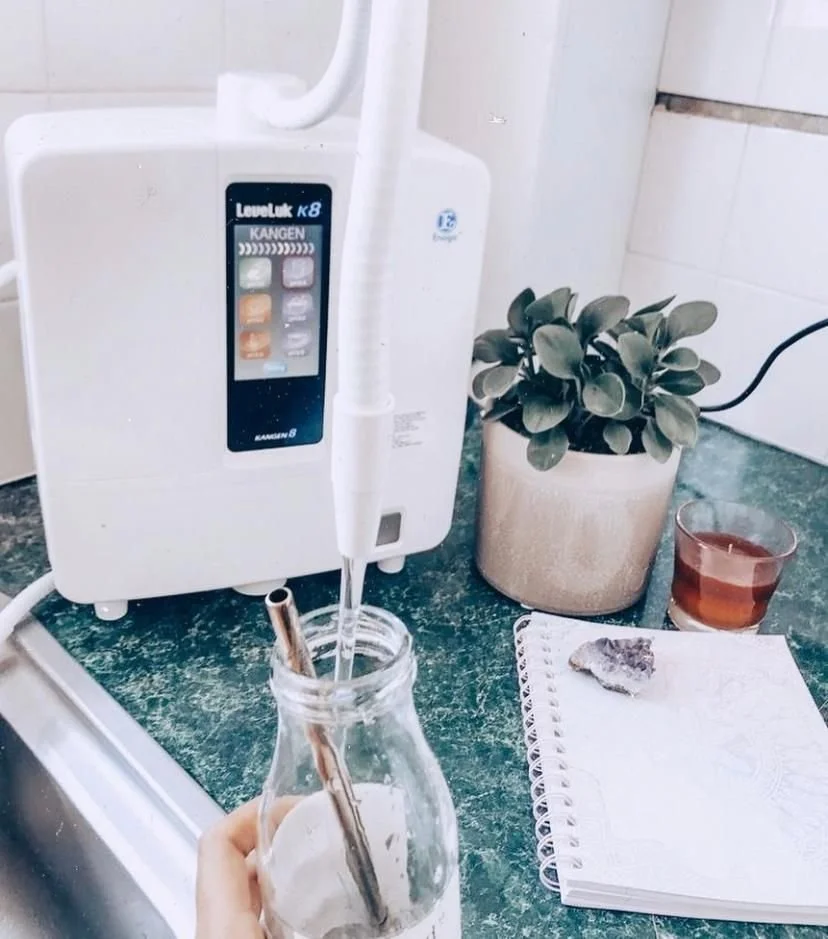
I used to pull off cleaning because I couldn’t stand the chemicals. But, with Kangen water, I’ve been able to toss my cabinet-filling products and use its alkaline properties to cut through residue, lift grease, and leave surfaces feeling fresh. Bonus: It simplifies cleaning even more, because you’re not switching bottles and overthinking the approach. You just change the water setting based on what you’re cleaning, and you can experience cleanliness without strong scents or synthetic ingredients.
Ending where you began
Before the hour is up, take a slow walk through your home again. Not to look for what’s left undone, but to notice what’s different now.
Surfaces are clear enough to use, your bed welcomes rest, and fresh air eliminates the stale feeling. That’s enough to calm your nervous system until you can afford the time for a deep clean later.
What this hour actually offers
A one-hour reset doesn’t solve everything, and it isn’t meant to. It interrupts the buildup of disorder that can make a space feel harder to exist in. Many times, if we can’t give our full attention to something, we put it off. This reset is really about reducing that habit.
It’s something you can return to without needing the right mood or a free day, just a small window of time and a willingness to start without making it into something bigger.
When it’s done, I guarantee you’ll notice a subtle shift where the house feels easier to move through, and as a result, your day will too.